
How to break into the music industry if you don’t know anyone
The music industry is notoriously hard to break into, where it can feel like who you know matters more than what you know.
But not having contacts doesn’t mean a music career is out of reach. Plenty of people have broken in without long-held connections and built successful careers. Their experiences show there's more than one way into the music industry, and that ambition and tenacity can matter as much as the right introductions.
At giffgaff, we believe in leveling the playing field by opening up access to conversations, insider knowledge and spaces for people to find a career path for them.
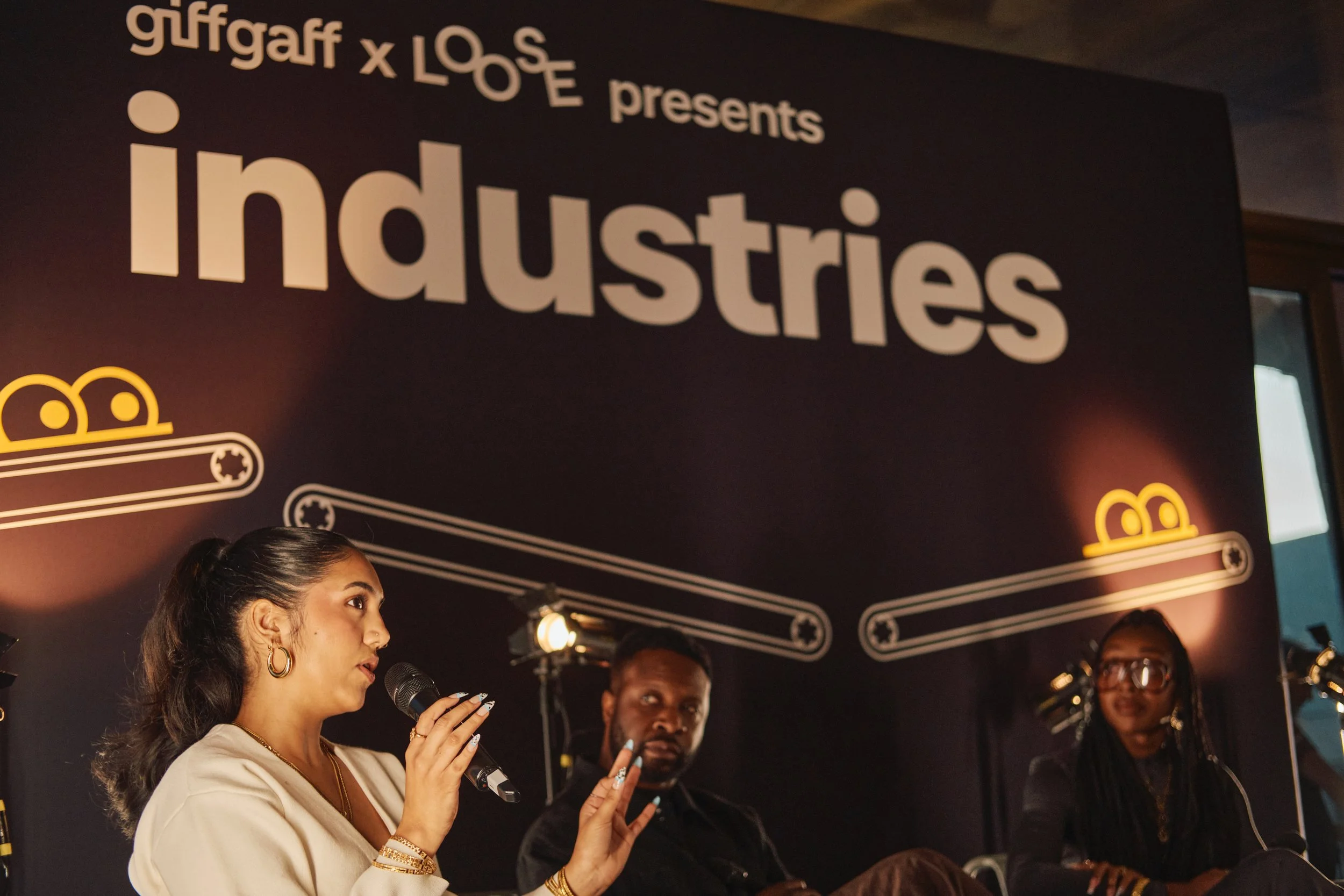
We partnered with LOOSE.fm to create ‘Industries: Your Way In’, and for this event, our mission was to shine a light on the music industry. The evening was hosted by Tiffany Calver, broadcaster, DJ, writer and British music tastemaker, who’s passionate about helping people get into the industry. She was joined by Komali Scott-Jones, A&R Director at AWAL, and Toyin Mustapha, a senior music and platform executive.
Their stories show there are many ways to enter the music industry with no experience or contacts and that when opportunities aren’t handed to you, it’s time to create your own. Or, as Tiffany puts it: “The best thing you can do is build your world yourself.
Read more: Get to know our ‘Your Way In: Music’ panel host Tiffany Calver
Start your own contact list through real-life networking
Just because you may not start off with a full contacts book doesn’t mean you can’t start to build one for yourself. The first step is to start showing up in physical spaces to make IRL connections yourself.
While the digital world offers plenty of opportunities to connect, Komali says “human connection is becoming really, really important again”.
Her advice for people who don’t have their own contacts is simple: “Use what you do have,” she says. “There are so many great platforms, pages, networks that are pointing us all to great things that are happening in and around the music industry.”

In many ways, it’s never been easier to find spaces and opportunities to meet others. Search online for events such as panel discussions, gigs, workshops, networking events and talks. There are plenty of free events available, too.
In-person events are a fantastic way to meet people who can help accelerate your career or give you an opportunity. You might not find someone looking to hire you on the spot, but you could meet a future mentor or learn invaluable information that helps you down the line.
“I would say the best thing you can do is get out there, meet the people who were once in your shoes that you look up to and ask them how they did it,” says Tiffany.
And don’t just focus on people ahead of you in your career, either. Connecting with your peers matters for building your network, whether that’s finding someone to share the journey with or someone to collaborate with in the future. It’s really wise to be tethered to the community in a number of ways.
While meeting people IRL might feel daunting, Komali encourages people to just try it: “I can't stress enough how much of an icebreaker it is to be around people that share a passion, whether it's for the artist, the genre, the music; that is an easy way in. And it means that you're gonna have more success building that network because you're all in it for the same reasons.”
Create your own independent projects
While internships and entry-level music jobs do exist within the music industry, they’re extremely competitive. Many people make their own luck online by posting mixtapes and starting blogs or Substack, and IRL by launching their own events.
Toyin got into music by promoting club nights. He and his best friend from university were house DJs when dubstep dominated the scene, making gigs hard to come by. "We were kind of like an outlier at the time," he reflects. Rather than wait for bookings, they took matters into their own hands and started running their own club nights, which eventually grew into an independent record label.
"I started really small," he reflects. In the early days, they relied on a network of friends and family to spread the word, an approach he believes took the pressure off and helped them learn from the experience, serving him better than chasing big gigs from the outset.“We didn't know what we were doing,” he says. “We just decided it was fun and we just really enjoyed it, and it kind of went from there.”
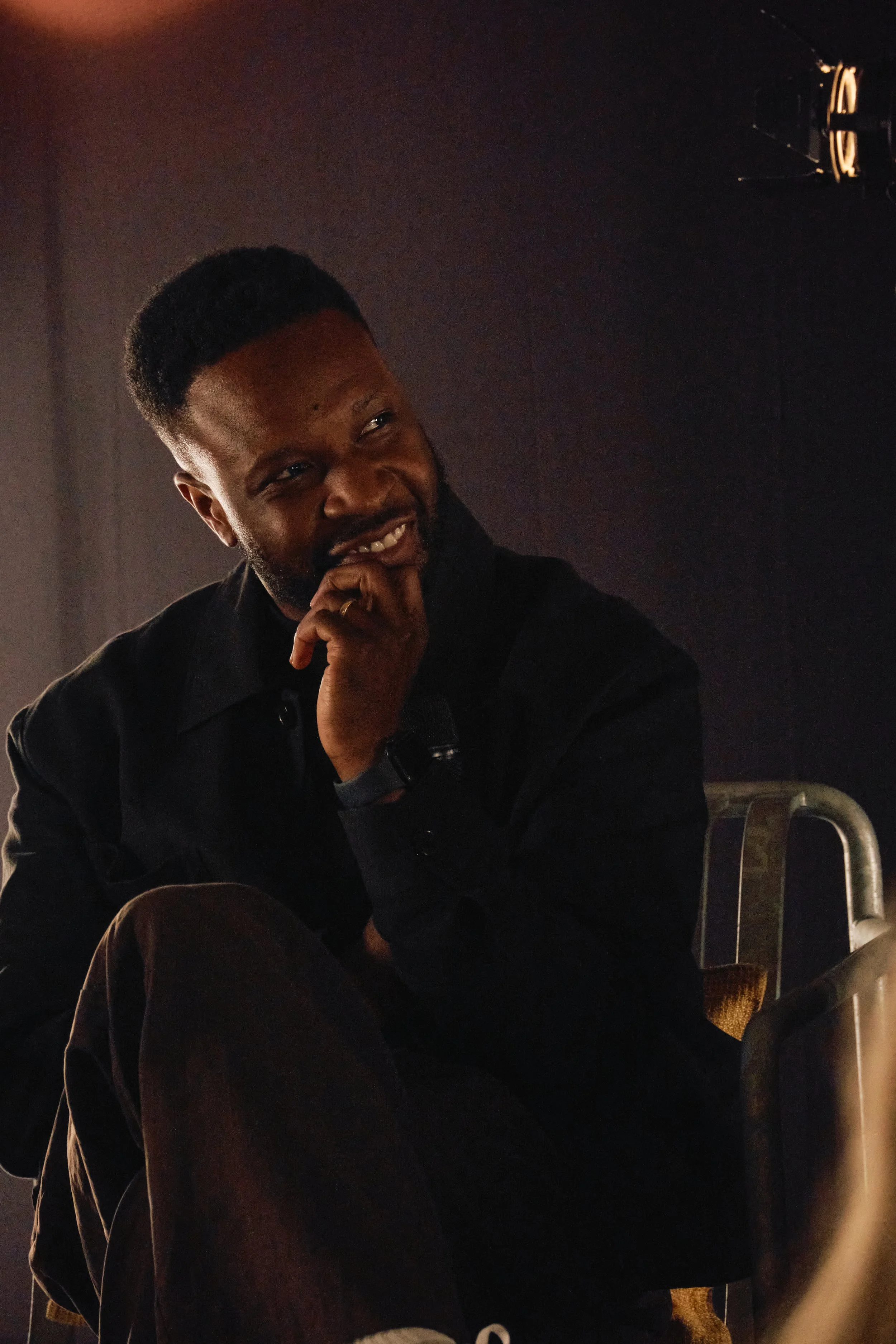
Setting up your own projects isn’t something that only matters when you’re starting out; world building can be beneficial at any stage in your career. When starting out, Tiffany credits a blog and SoundCloud mix that “went nuts" to helping her land a presenting job at BBC Radio. Now, she’s doing her own thing, having launched a new platform and event series called No Requests.
Building something yourself gives you autonomy, ownership and leverage – something that’s essential in the music industry. Instead of putting your career hopes entirely in someone else’s hands, you can save some for yourself.
Komali explains that, beyond the content and world you create, you can bring your audience along for different parts of your journey. For example, a Substack community could later become an audience at a gig or customers for your record; it’s all about how you bring people along for the ride. Ask yourself: If I can constantly engage people with my content online, how many of them can I get into a room? “That's the build,” she says.
Be visible online to build your profile
Creating content online is an excellent way to shape your story and influence how others see you. Through regular, thoughtful posting, you can both demonstrate your passion for music and position yourself as a dedicated self-starter. It’s a free, easy and really accessible way to show up, which is especially handy if IRL events are difficult to get to.
For Tiffany, building an online profile is a practical way for people to “move their career forward instantly”. For those who may feel uncertain about showing up online, she says, “It's something we all have to work at: not being shy, remembering this is a business and you are your brand.”
What you put out in the world should be unique to your career goals, music taste and passions. It could be portfolio-style with music or mixes, feature snippets from events you’ve attended, or include music reviews and artists you love.
The aim is to establish yourself as a credible voice. That way, people discover you organically through the platform and anyone you’ve just met or applied to can instantly look you up and see what you’re about. “The best thing you can do is believe in yourself and push that messaging forward to make other people believe in you as well,” says Tiffany.
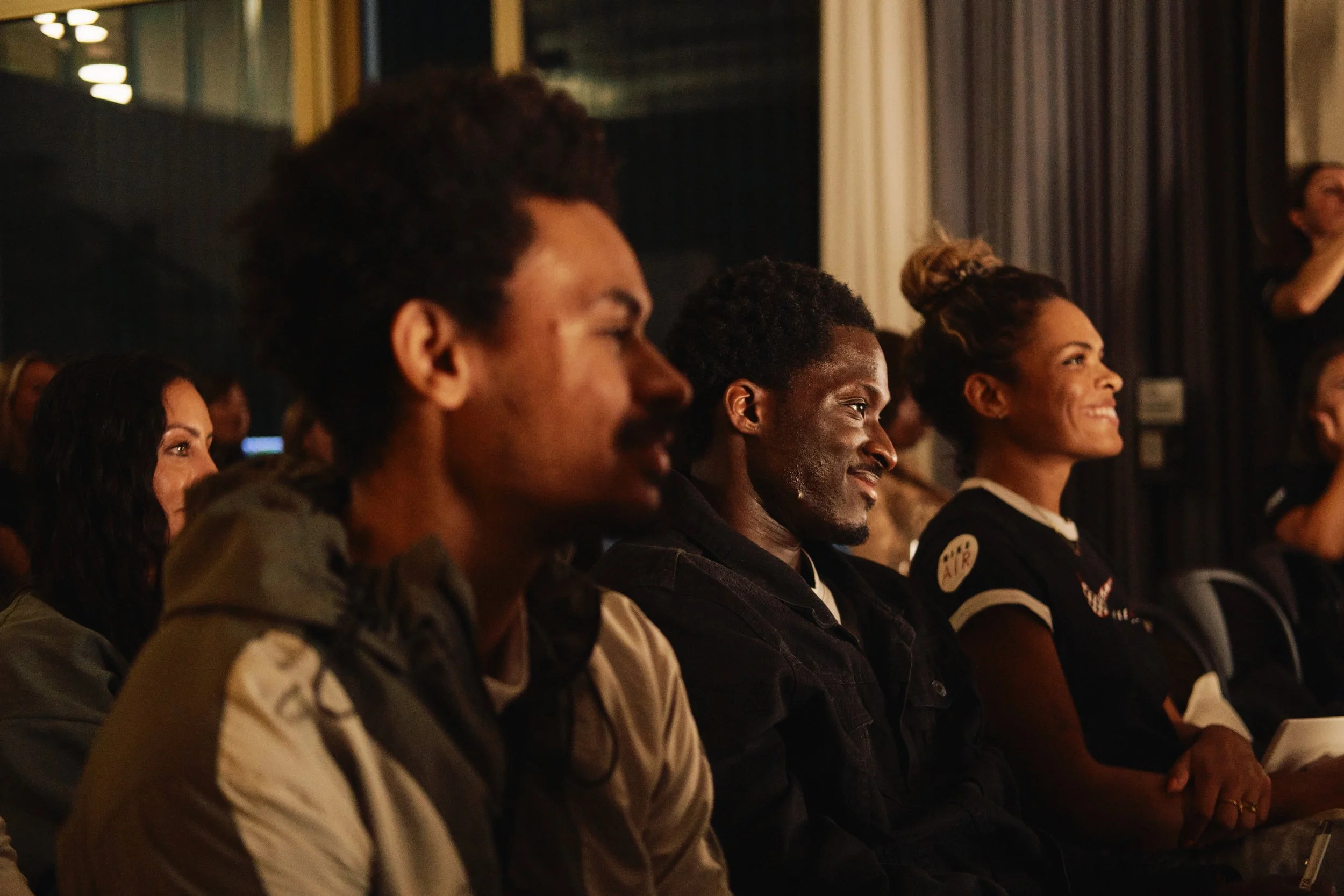
Platforms like TikTok offer huge opportunities for discovery, not just for artists but for anyone looking to establish themselves as a tastemaker in the industry. The sheer volume of content can also be challenging for people to cut through, so our panellists recommended finding an authentic voice, establishing your niche and creating fresh content.
Most importantly, post regularly to build an audience over time. “You'll get some videos that might get thousands of views and some that get hundreds or tens, you know, that's just the way it is now,” says Toyin. The key is to stick with it and keep learning.
It works best paired with other strategies, such as IRL networking and creating your own projects. If you head to an industry event, post about it, tag the speakers and share short clips to show you were in the room. Use it as an opportunity to shout about all of the things you’re doing to break through, whether that’s posting about an industry event (remember to tag the speakers and host) or promoting your own events and projects. When you’re not actively out there, being online keeps you in people’s minds.
Practise ‘delusional self-belief’ to keep going
The one clear thread throughout the event was the power of mindset. IRL networking, project building and showing up consistently online won’t bring overnight success. Instead, each strategy requires persistence (and patience) to get results.
For Tiffany, success in the music industry comes down to “delusional self-belief”. Think of yourself as your own salesperson; you have to believe your own hype to convince others of your worth. “You have to be the biggest dreamer in the room,” she adds. That means trusting yourself and finding your own route in.
Komali agrees: “There’s something quite special about the fact that we are living in a world that you can just do it. You don’t have to wait for permission.”
There’s no single blueprint for getting into the music industry without contacts, but plenty of opportunities let you make your next move.
Your Next Move
Find an IRL event near you to start making connections. It could be a panel discussion like ours, a workshop or a networking event. You never know who you might meet or what you might learn.
If you weren’t lucky enough to get tickets to Your Way In: Music, you can catch the full conversation on YouTube. We’ll also be posting highlights and takeaways from the event across our blog and social accounts to help people make their next move.