
Fruz never planned to become a full-time cat sitter. She launched CozyCat in July 2024 “as a little side thing”, hoping to make some extra income alongside her role as a teaching assistant. “I didn't think I would have more than maybe one or two cats booked in a week,” she explains.
Two years on, she’s looked after more than 200 cats for 54 clients across the Liverpool area. During the summer holidays, which is her busiest period, she can leave the house at 6.30am and not get home again until 9pm. Demand is so high that she now employs her cat-loving mum, Kat (yes, that’s her real name), to help out with the business.
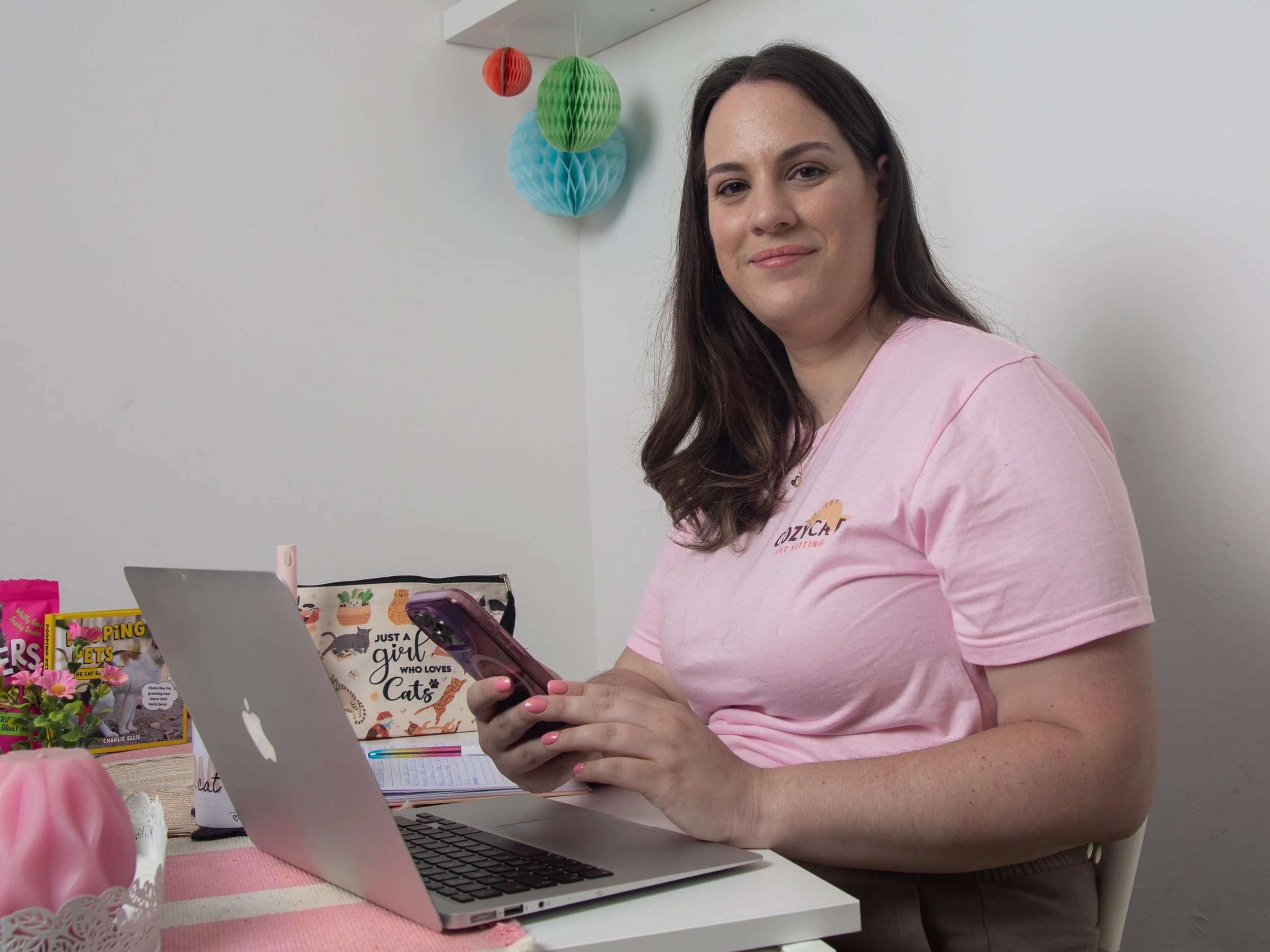
In August 2026, Fruz decided to go full-time with CozyCat — a decision she describes as both exciting and scary. We sat down with her to learn what gave her the confidence to take the leap, as well as the advice she has for others looking to go full-time.
How the giffgaff Fair Shot grant helped the transition to full-time
Earlier this year, Fruz won giffgaff’s £1,000 Fair Shot grant. She used the money to help boost her business profile on social media, with activity launching in sync with her transition into full-time cat sitting.
The grant helped fund a signature video to showcase CozyCat’s services. She worked with a social media agency to create a video that perfectly captures her personality and sense of humour.
Fruz understands that putting herself in the content helps build trust with her audience, explaining: “People buy from people.”
The remaining grant money went toward a paid advertising campaign on Instagram (check it out here) and Facebook to target local cat owners and encourage bookings. Social media advertising is an area Fruz is looking to learn more about in the coming months.
Fruz had digital marketing and SEO knowledge sessions with experts at giffgaff. Speaking of the support, she said: "It gave me that bit of confidence that I'm doing good." The sessions also showed her how boosted posts differ from a proper paid campaign, ahead of her September launch.
Learn how Fruz launched her local business online
Why Fruz didn’t rush the decision to go full-time
Turning a side hustle into a full-time business is a big step, and not one to rush into. You need to be sure your side hustle is financially viable (meaning you can consistently cover your living costs over a three- to six-month period) and that demand is high (regular customers, turning work away or needing to take on help to manage the workload).
The demand was certainly there for Fruz. “In the first six to 12 months I realised this could go somewhere,” she explains. She admits she probably could have made the switch to full-time earlier, but fear of the unknown and leaving the safety of a monthly salary made her understandably cautious.
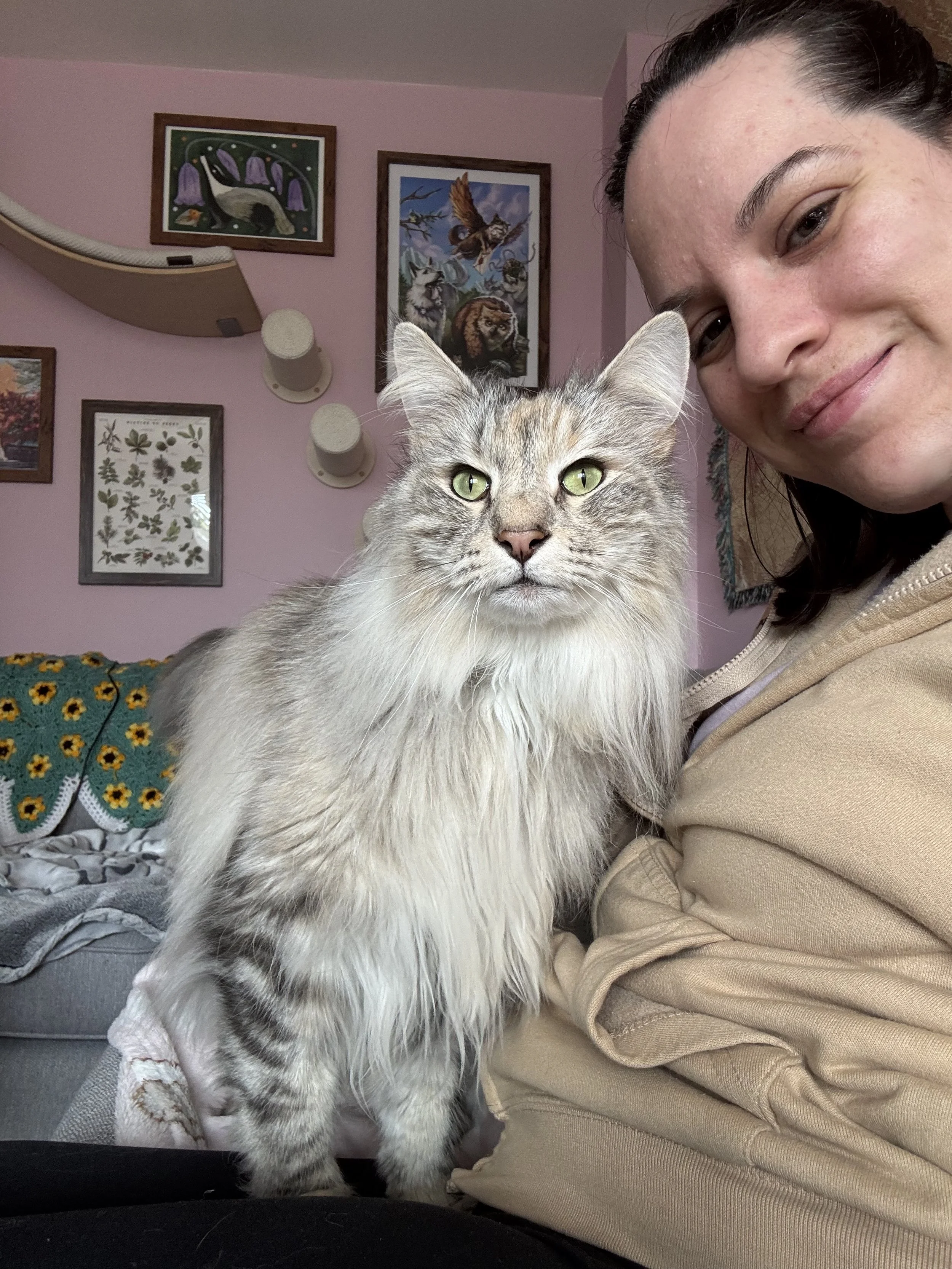
Instead, she wisely chose to build a solid foundation before making any drastic decisions, enlisting her mum and boyfriend to help during busy periods while she was still employed. She says she worked at “full-time” intensity for about 10 months before she felt ready to leave her job.
Her confidence was also boosted by an online networking group of other cat sitters and dog walkers, whom she realised had all made the jump to full-time work and were thriving.
She also has a business mentor, Charlotte, who specialises in pet-related businesses and has been instrumental in helping her take the business to the next level.
Getting admin and finances in order
Making a side hustle your full-time job is quite a gear shift, not least because what was once extra pocket money now has to replace an entire salary.
Before taking the leap, Fruz and her boyfriend sat down to work out whether the move was financially feasible. Until then, her CozyCat earnings had topped up her income, and the couple used them for extra expenses, such as going out for meals. Now, they had to be sure she could get by on them, which meant moving from treats to carefully planned savings pots that provide a financial buffer. “I always worry about finances,” she explains, adding that planning ahead and budgeting before going full-time gave her “peace of mind”.
However, Fruz admits she’s not the most prepared person, having only started saving to go full-time a few months before handing in her notice, and the admin side of things caught her off guard. Suddenly she found herself thinking about things like critical illness cover and life insurance. "I just wanted to play with cats," she laughs.
From full-time to franchise
Fruz feels relieved to no longer have to juggle between a busy side hustle and a day job. She describes the pride she feels now that she can say, “I’m a cat sitter.”
Now, Fruz has her sights set beyond Liverpool, with a five-to-ten-year plan to franchise across the UK.
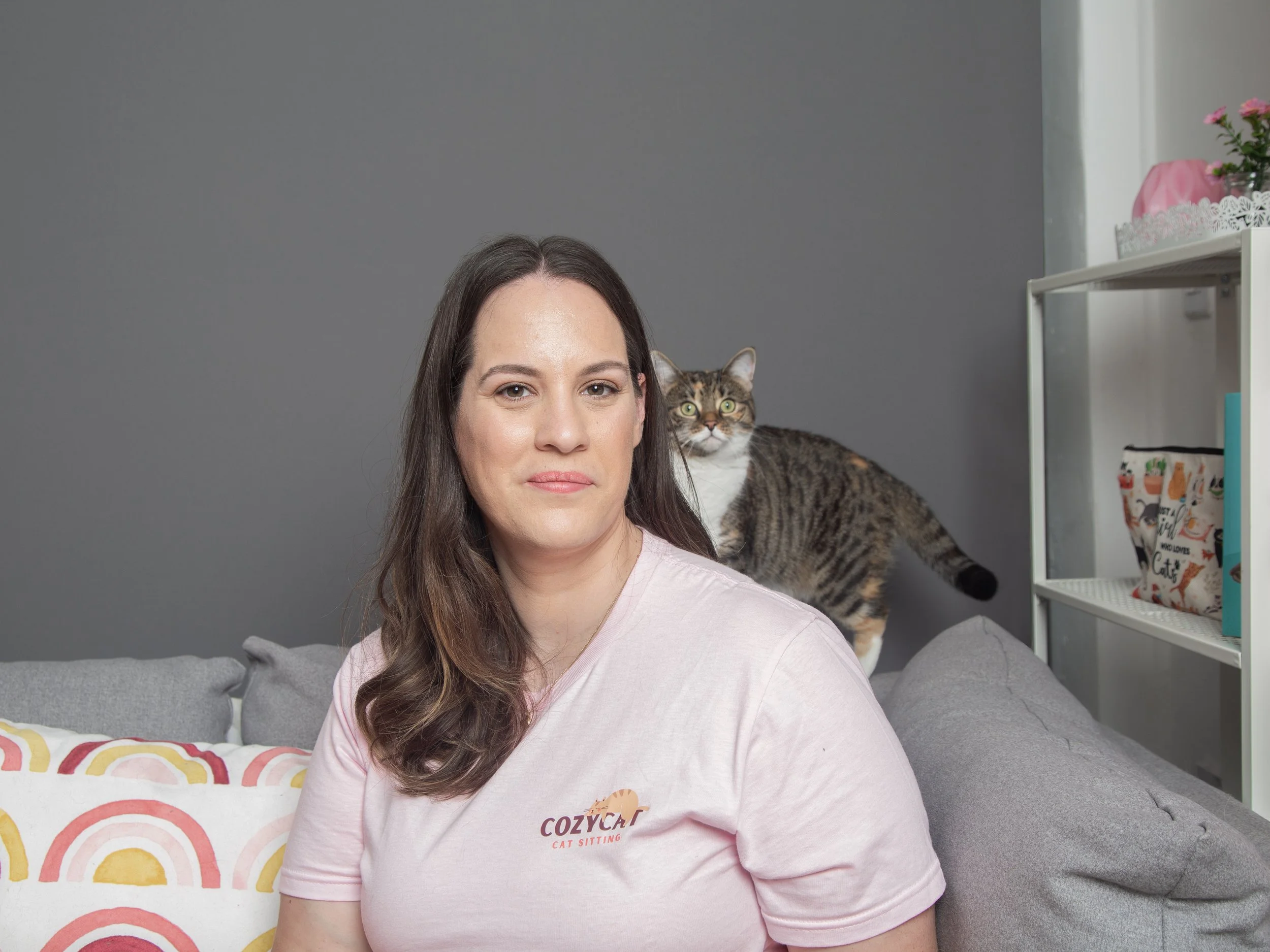
Fruz’s tips for going full-time
1. Start before it feels perfect, but treat it like a real business from day one.
You really don’t need the perfect logo, website or plan before you start. A lot of things will change anyway once you actually begin and learn what people want. But even if it’s only a side hustle at first, I think it’s important to take it seriously, get your pricing, insurance, finances, policies and systems in place early and build from there.
2. Build trust and relationships, not just transactions.
For a service business especially, people are buying into you as much as the service itself. I’ve always tried to focus on making people feel looked after, communicating well and giving them a reason to come back or recommend me. Repeat customers and word of mouth have been a huge part of growing CozyCat and I think that comes from building genuine relationships rather than just chasing the next booking.
3. Network, ask questions and keep learning.
Connecting with other business owners has helped me massively, especially with confidence. Being around people who are already doing it makes you realise that you can do it too. I’d also really recommend getting to know people in your own industry, asking questions, looking for advice and not being scared to admit when you don’t know something. There’s so much you can learn from other people’s experience and sometimes those connections lead to referrals too. I also think it’s really important to keep investing in your own learning as the business grows, whether that’s through courses, workshops, events or simply speaking to people who know more than you do.
4. Take advice but filter it through your own goals.
There is so much business advice out there and not all of it will actually suit you. I’ve had people tell me I should be posting four or five videos a day on social media for better reach and engagement but that doesn’t really fit what I’m trying to build. I don’t want to be known because I’ve gone viral, I want CozyCat to become a trusted household name locally. Take the advice but always ask whether it actually fits your business and your own version of success.
5. Let the side hustle prove itself and give yourself permission to build it your way.
There isn’t one right way to turn a side hustle into a full-time business and you don’t have to follow someone else’s timeline. Building CozyCat alongside salaried work gave me time to test whether the demand was really there, build up repeat customers and recommendations and gain confidence before relying on it completely. I think it’s important to build something that works for you and the life you actually want, rather than feeling like you have to do things the way everyone else does.
Bonus: Don’t undercharge yourself just to win business.
Have a look at what other people in your field are charging so you understand the market but don’t automatically go lower just because you think it will attract more customers. That can sometimes attract the wrong clients and make it harder to build a sustainable business. Own your pricing from day one and charge what makes sense for the service, experience and value you provide. If someone thinks you’re too expensive, that doesn’t necessarily mean your prices are wrong, you may just not be the right fit for each other.
Your Next Move: Work out your financials
If your long-term goal is to go full-time with your side hustle, it’s time to get the calculator out. Work out what you’d need to cover your living expenses, plus the cost of running your business.
Before handing in your notice, you should be consistently earning this amount for at least three to six months.